Maw Sit Sit, Kosmochlore-Jadeite (10290) - 5g
Maw Sit Sit, Kosmochlore-Jadeite (10290) - 5g
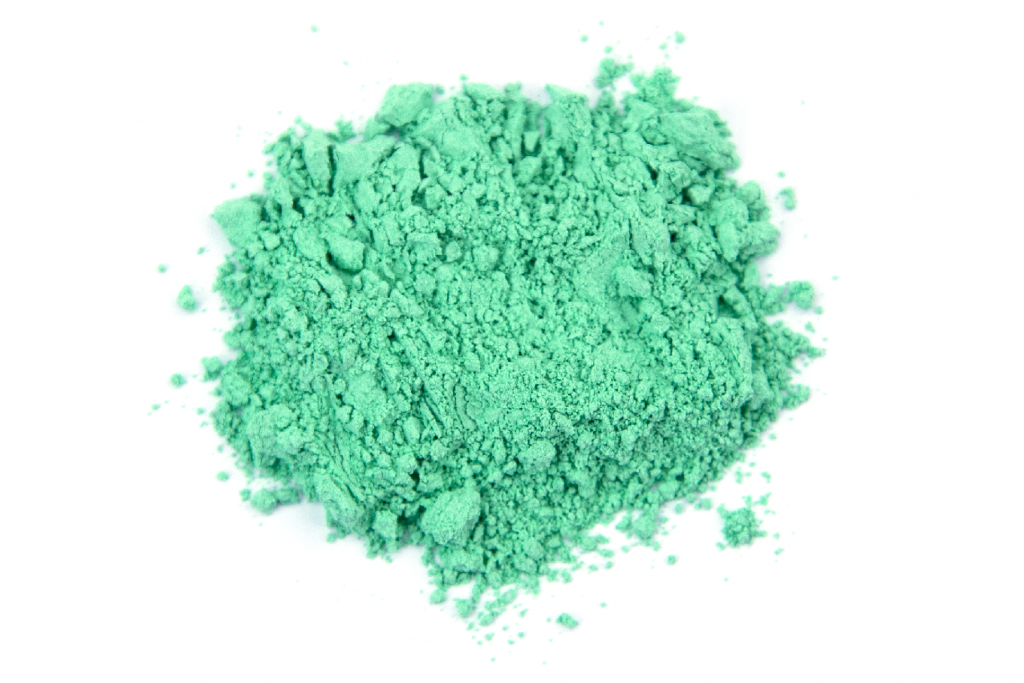
Unique brilliant natural emerald green. 5g (glass).
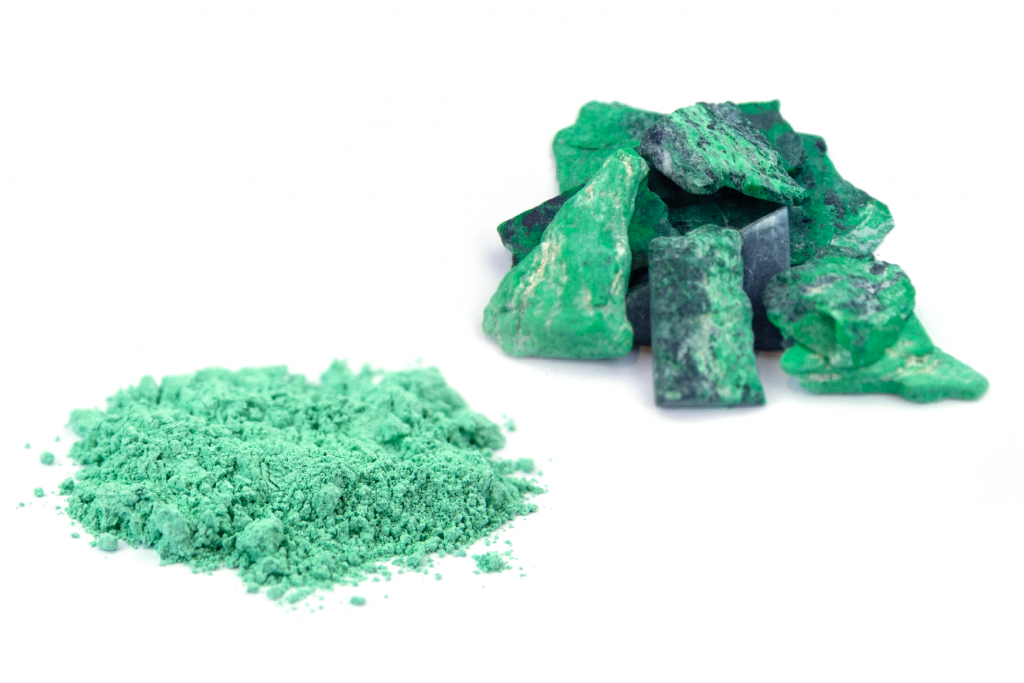
Maw Sit Sit is an extremely rare mineral which was first found inside a meteorite. Today the only location known for small deposits of this Kosmochlore is the Tawmaw region (Kachim State) in Myanmar. The gemstone is a chromium sodium clinopyroxene and just as hard as rock crystal. Its brilliant light emerald green hue is unparalelled amongst natural pigments. It is suitable for waterborne applications, it is lightfast and opaque. Only available in very small quantities.
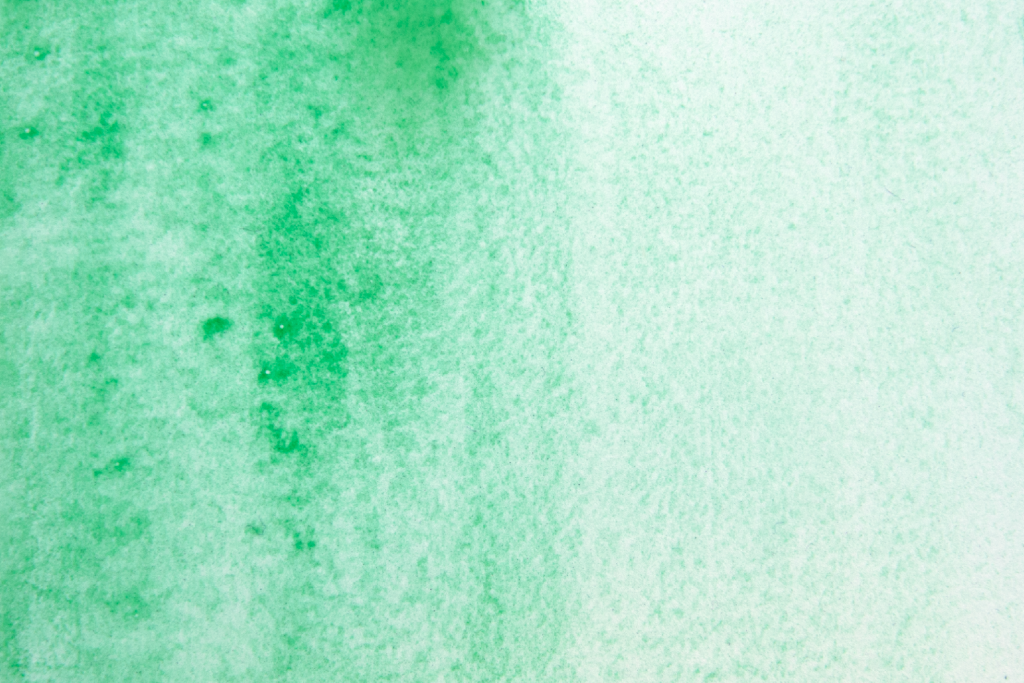
Maw Sit Sit also referred to by its scientific name Kosmochlor Jade, is a remarkable and versatile pigment derived from a rare jade-colored stone. This material is known for the extraordinary transparency of its powerfully luminous green color. It is ideal for glazing, layering and for subtle passages in painting. Maw Sit Sit disperses excellently in water-based binders as well as in oil, enhancing its utility in diverse painting applications.
Origin and Quality
Maw Sit Sit pigment is sourced from the jadeite deposits of Tawmaw in northern Burma. Known for its exceptional quality, it has been widely distributed through the jade trade across eastern Asia. The remarkable transparency and vivid color of Maw Sit Sit make it a sought-after pigment among artists.
Historical Background
Kosmochlor, is a rare chromium sodium clinopyroxene with the chemical formula NaCr3+Si2O6. It was first discovered in the iron meteorite Toluca, located in the municipality of Jiquipilco, Mexico. Classified under silicates and germanates, Kosmochlor was initially identified by Laspeyres in 1897, named for its "cosmic" origin and distinctive green color (from the ancient Greek word "χλωρός" (chlōrós), meaning "light green, green-yellow"). Until the late 1970s, this mineral was thought to be exclusive to meteorites. However, microprobe analyses later revealed that Kosmochlor also occurs in terrestrial rocks, particularly in Burmese jades.
Geological Insights
Research has demonstrated that Kosmochlor Jade forms through a metasomatic process involving high- pressure and low-temperature metamorphism under blueschist or eclogite facies conditions. This unique chemical environment involves a reaction between an albitite dyke containing chromite xenocrysts and surrounding serpentinites. The result is a colored jade rich in chromium, exhibiting the distinctive qualities of Maw Sit Sit.